Stanford Physical and Spatial Intelligence Lab
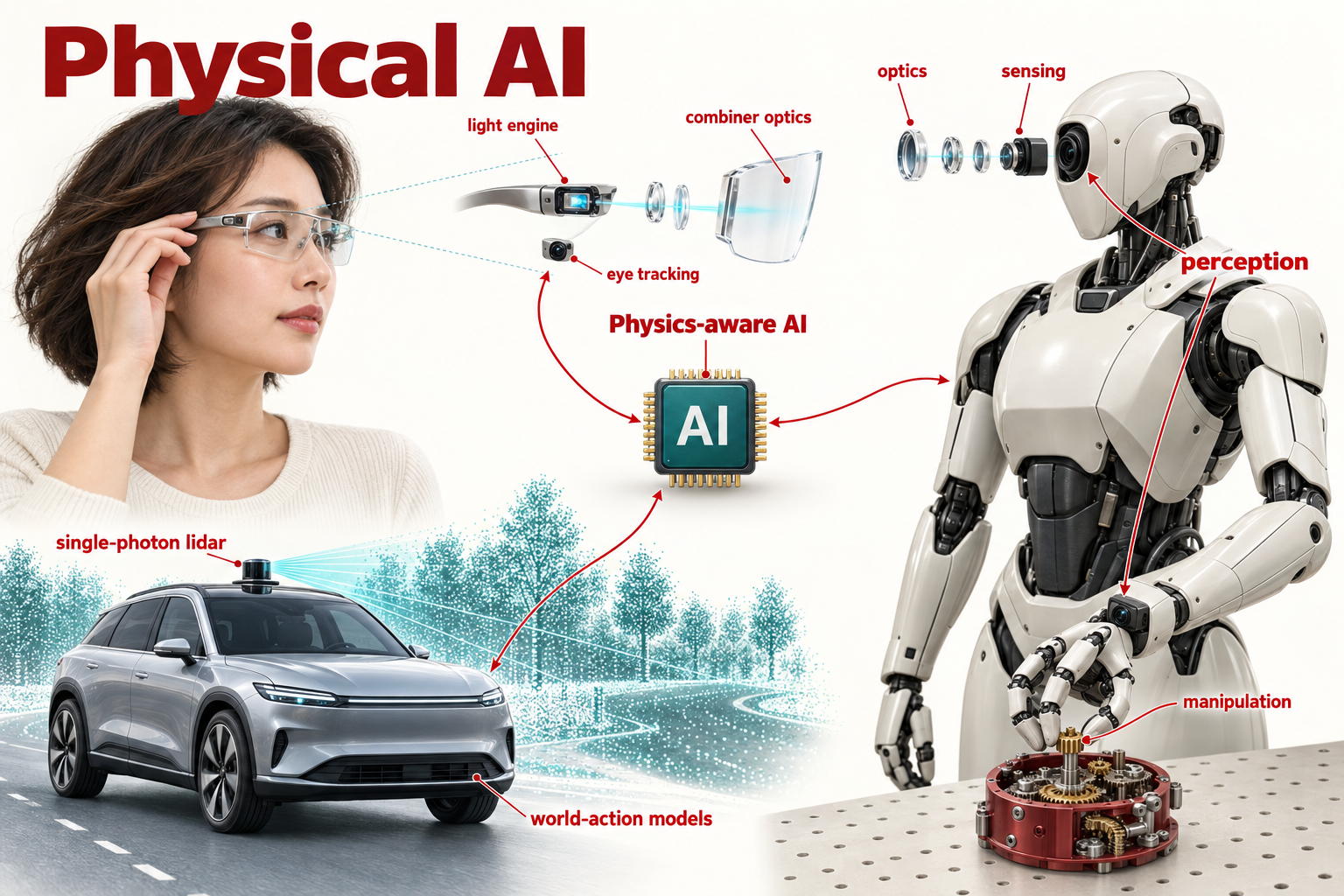
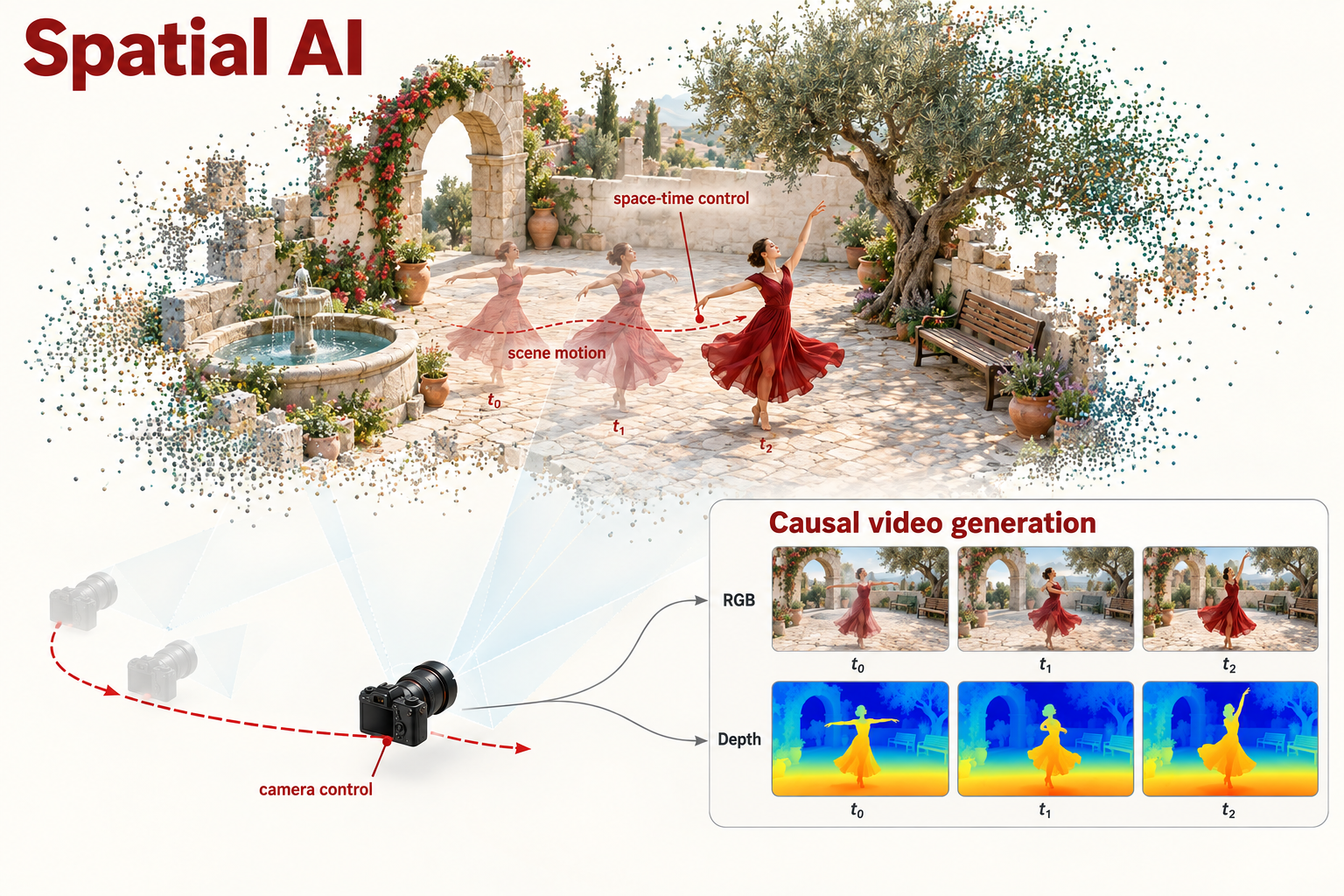
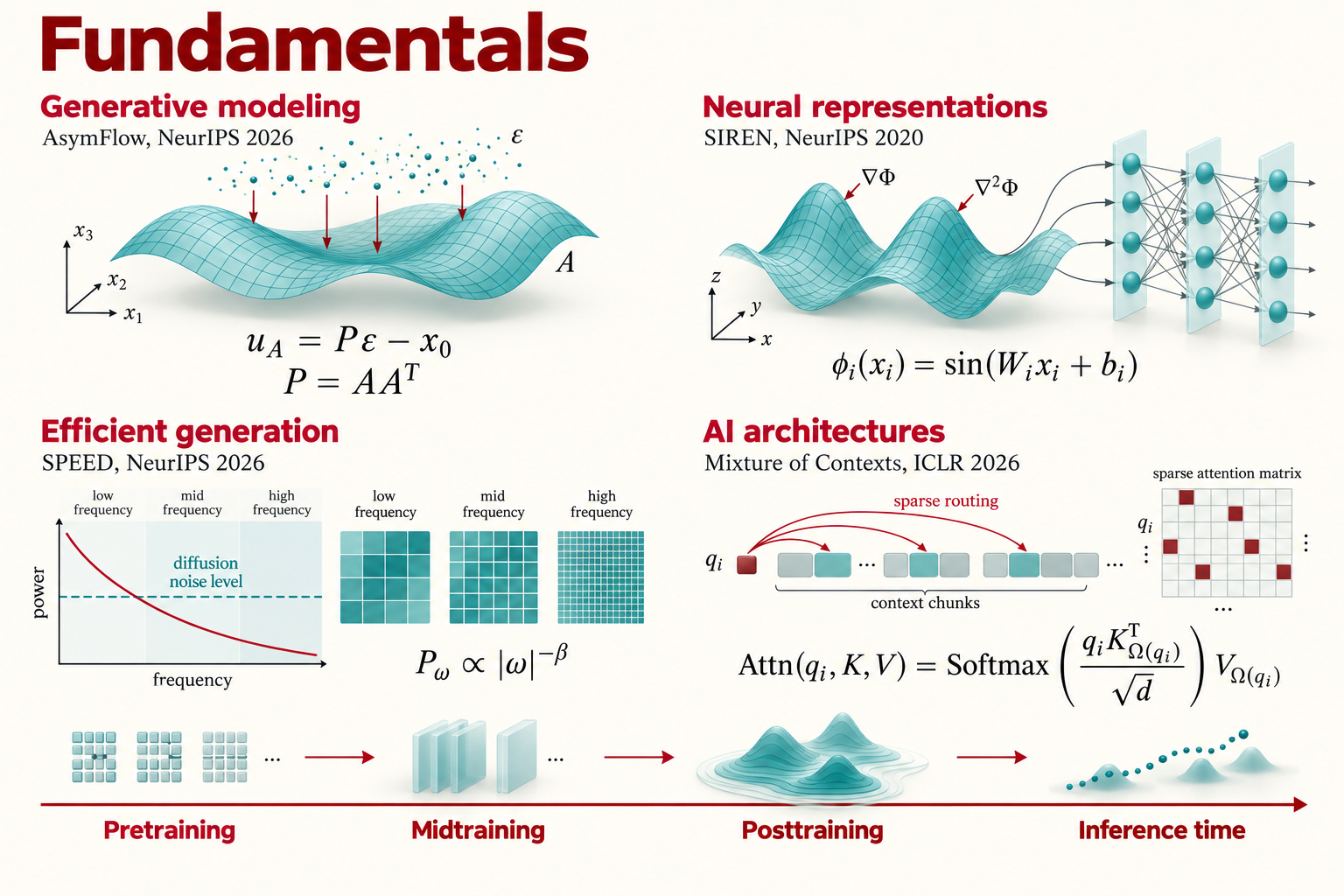
Our mission. At the Stanford Physical and Spatial AI Lab, we develop the foundations and applications of frontier AI models that perceive, model, and interact with the physical world. We investigate how models learn 3D structure and physical dynamics from images, video, and sensor data—and how they can use that knowledge to generate, predict, and plan. Our research combines computer vision, generative world models, and computational optics to advance capabilities in imaging, spatial computing, and robotics. We connect fundamental research with working systems, from new ways to capture and reconstruct the world to immersive displays and intelligent machines that act within it.